His face was stuck to the floor! What part of that do you not understand?
The therapist clicks the pen out of rabid nervousness, a victim of her own subconscious despite decades of exploring the subconscious of others. She liked the click-top pens, she loved the sharpness of their sound in rapid succession; they were an auditory strobe-light, guiding her back into the room. Some of the patients would drag her into worlds where even her Harvard degree couldn’t protect her; the rhythmic clicking always drove her home. She’d picked it up in high-school, or was it college, and no amount of self-exploration had revealed the origin of the quirk. She catches herself in the silence with his eyes focused on her expectantly. She watches as the pen twirls between her fingers, caught in disbelief that these are her hands; that it’s her skin protecting the frailty of her being. On the yellow pad, she scribbles- buy lotion.
Her patient is delusional, convinced that he accidentally murdered his little brother during an arts-and-crafts project in the third grade. They were scrap-booking and glue wound up on the wrong side of a family picture.
I waited for it to dry, he says, and I wanted to just peel it off. But his head… his face… just broke apart.
A thousand pieces of his brother’s features had flaked off under his thumb nail. The rest of his family was fine, but his brother, still a baby, was an abomination of frayed paper. It had been a car accident which awakened this delusion; a subtle shaking of his very foundation.
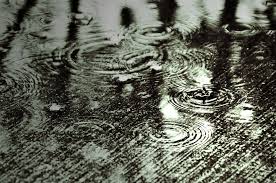
She glances outside as he continues, watching as crowds file by without seeing her; without seeing each other. They carry large umbrellas that shoot the rain off in heavy streams behind them, splashing into the water which has already collected on the sidewalk. Cars drive by, rippling the streets and sending spurts of light into what is left of her reflection. When no cars drive past, and the umbrellas stop for a moment, she can see the road. The pavement jumps to life with a thousand tiny movements, yet remains just as empty as the static of a hotel television.
It was raining, he says, the night that it happened.
The man and his family, he means- it was raining the night that everything changed. She turns to him, the leather of the chair groaning to accommodate her shifting weight. The man’s eyes are pink and puffy from years of tears and exhaustion; each bleeding socket tucked beneath a thick brow, which connects only faintly in the middle. His cheeks are pock-marked with acne scars, turning red with irritation. Glancing down, she sees that his cuticles are overgrown and dry; they flake off and stand up on end from where he’s tried to chew them away. The shame, she thinks, is that he’d probably be cute if he took better care of himself.
The family van had been hit by a drunk driver careening through an intersection; he had been the only one to survive. This is after they were much older, after a disagreement at a family barbeque, after the rain pushed his family toward that intersection and that unfortunate meeting.
After a while, the faces of the clients began to blend together; all their stories are disconnected by only a handful of nuanced details. They come to her with hopes of being healed, as though she could erase their pasts and grant them a second chance. As though there was anything she could say to take back their pain, as if she could do anything to ease them back into normalcy. After a while you stop looking at the people and start looking at the clock; the victim’s unrelenting trauma and borderline psychosis become background music for a workday spent glancing out the window. Her own problems stopped mattering long ago, life lost its luster as she was gradually buried in the worst of people.
What the client can’t seem to remember was that he was the driver; he’d spent so long being the victim that he never stopped to consider that he may be the monster.
The client has a long history of drug/alcohol abuse
She writes on the pad
fails to see the addiction
fails to admit fault
still talks about family as though they’re still alive.
He searches his mind for reasons; his brain is a cavern and he is alone with a flickering flashlight. The story comes to an end and the facts begin. His face was stuck to the floor, he says; he never uses the word road, though she doubts that it’s a conscious effort. He sat in the rain, reeking of whiskey as blood and gasoline poured into a storm drain; as both the evidence and his memory were washed away.
His face was stuck to the floor, he says, and it kept coming apart in my hands.
 The Nightmare Box
Leave a comment